
Skip to content

Our purpose & process

About the cardiac arrest survivorship research hub

Project Leads

This repository was created and is maintained by Dr Marco Mion and Dr Vicky Joshi, who work together to improve survivorship and follow-up care after cardiac arrest.

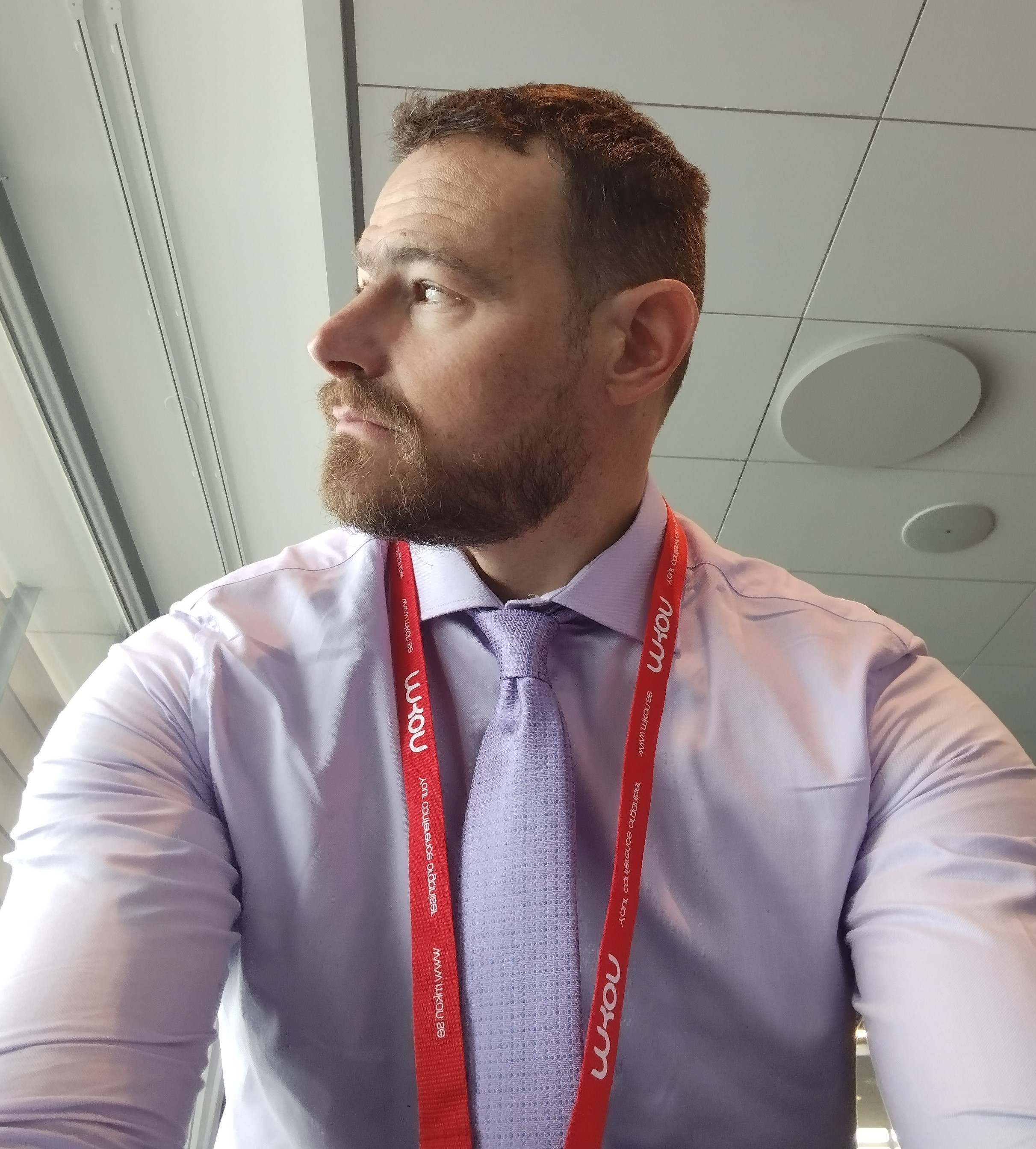
Portrait of Dr Marco Mion

Dr Marco Mion

ORCID logo

Principal Clinical Psychologist, Essex Cardiothoracic Centre & King’s College Hospital

Based at the Essex Cardiothoracic Centre and King's College Hospital (UK), Dr Marco Mion is a Clinical Psychologist and an Honorary Clinical Lecturer at Anglia Ruskin University. His research focuses on psychological, cognitive, and quality of life outcomes after out-of-hospital cardiac arrest, and the development of patient-centred care pathways. Dr Marco coordinated the UK neuropsychology arm of the TTM2 trial and currently leads a multi-site psychoeducational feasibility interventional study embedded within the STEPCARE trial (V-CARE).
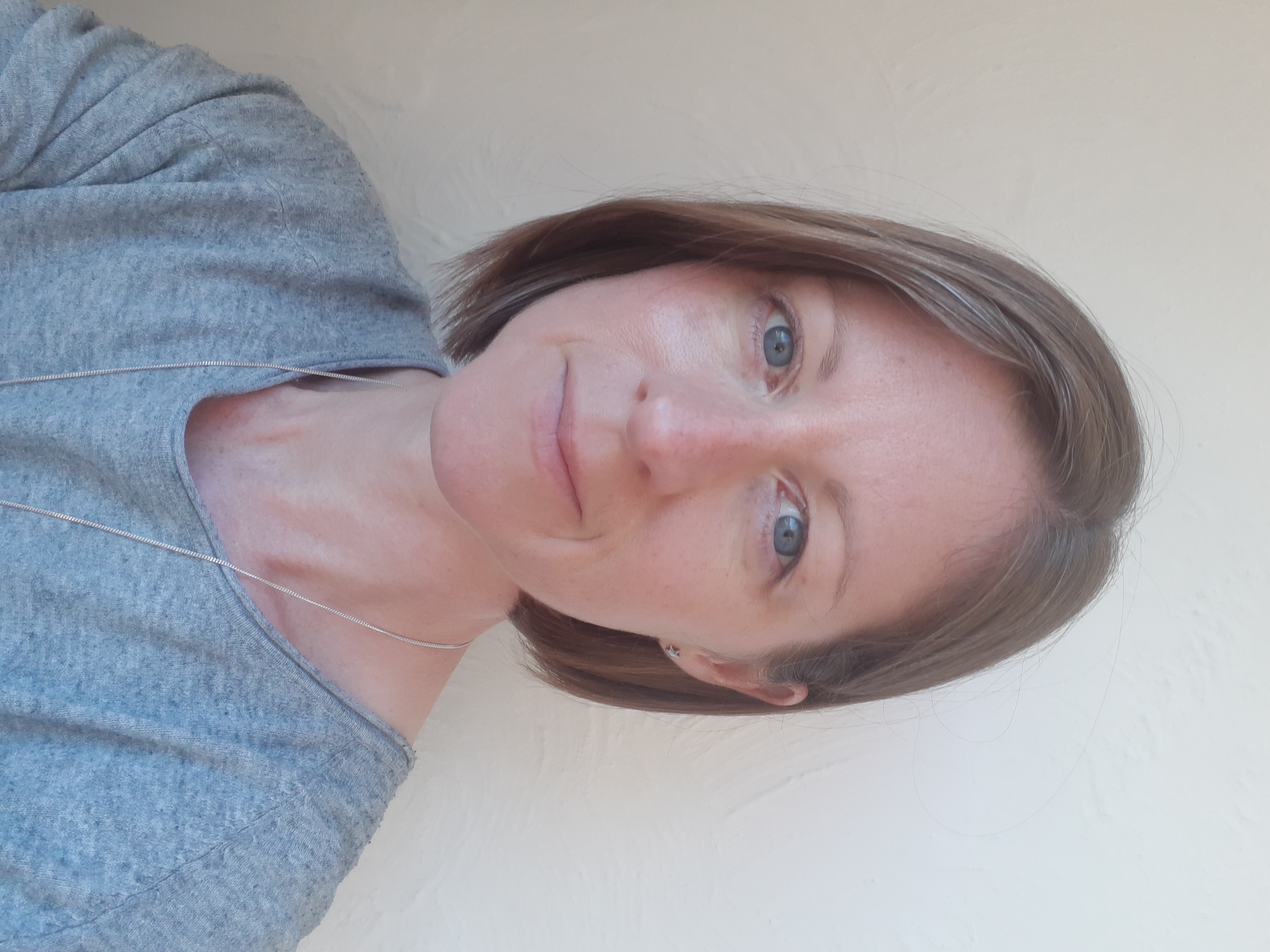
Portrait of Dr Vicky Joshi

Dr Vicky Joshi

ORCID logo

Lecturer in Physiotherapy, Glasgow Caledonian University

‘Based at Glasgow Caledonian University, Dr Vicky Joshi is a Lecturer in Physiotherapy and CSO (Chief Scientist Office, Scottish Government) Post-doctoral Fellow. Her research is on cardiac arrest aftercare for survivors, family members and bystanders. She is the Director for the Save A Life For Scotland Recovery group (SALFS-R), Co-ordinates the SABRE network (Support After Bystander Resuscitation) and leads the CAROUSel research project, developing cardiac arrest aftercare interventions in Scotland.

How we identified relevant papers

Identification

A tailored search strategy—published in full for transparency and replicability—was applied to each database (PubMed, CINAHL, and Web of Science). Together, these searches returned a large pool of records spanning medical, nursing, psychological, and rehabilitation sciences. For each record, titles and abstracts were retrieved, except in cases where the abstract was unavailable in the source database.

You can access the full search strategy here: detailed search strategy (replicable) .

Deduplication

All records were merged into a single dataset. Using a custom Python-based deduplication script, duplicate entries were identified and removed through a combination of DOI matching, fuzzy title comparison, and metadata harmonisation. The deduplicated set represented the total pool of unique publications eligible for initial screening.

The deduplication script is available here: deduplication Python script .

Semantic prioritisation

To support efficient human review, abstracts were processed using a sentence-transformer semantic model (all-MiniLM-L6-v2). Each record received a semantic relevance score reflecting its conceptual proximity to the defined survivorship domain. Papers were then rank-ordered from most to least semantically aligned, but no automatic exclusions were made; this step was designed purely to structure workflow, not to determine eligibility.

In practice, this semantic system tends to rank down studies focused exclusively on neuroprognostication, bystander interventions, survival-only registry analyses, or simulation/education studies, while prioritising work addressing cognitive, psychological, social, and quality-of-life outcomes.

The semantic screening script is available here: semantic screening Python script .

Screening

Two independent reviewers manually screened every abstract one by one, starting from the highest-ranked records. Eligibility was determined based on predefined Population / Intervention / Outcomes (P/I/O) criteria specific to survivorship after cardiac arrest, covering cognitive, psychological, social, and quality-of-life domains. Where needed, full texts were consulted to clarify eligibility.

Inclusion

Studies meeting inclusion criteria were added to the Survivorship Repository, with metadata harmonised across all sources. Links to full texts (where available), DOIs, and abstracts were preserved to maximise accessibility. For methodological transparency, we provide the Python scripts used for deduplication and semantic scoring, along with the search strategy documents, so that other groups can replicate or adapt this workflow for their own contexts.

How we curate

  • Clinician-researchers screen new publications for relevance and methodological rigor.
  • Each paper is normalized into a shared schema with consistent author formatting, domain tagging, and link validation.
  • Automated scripts enrich abstracts, identify related studies, and flag duplicate entries before publishing updates.

Update cadence

We refresh the repository every other month, with ad-hoc releases for notable publications.

To suggest papers or collaborate on tagging standards, please reach out via the contact link above.

Organization at a glance

Domains

Cognitive outcomes, psychological health, quality of life, participation and return-to-work, caregiver perspectives.

Facets

Filter by study design, setting, geography, journal, and publication year to find studies that match your question.

Paper detail pages

Export citations in APA, Vancouver, BibTeX, or RIS formats. Access PubMed, DOI, and PMC links when available.

Related research

Abstract similarity surfaces adjacent studies so you can continue exploring survivor-focused literature.